
It's Only the End of the World
Coming home — both cathartic and painful.

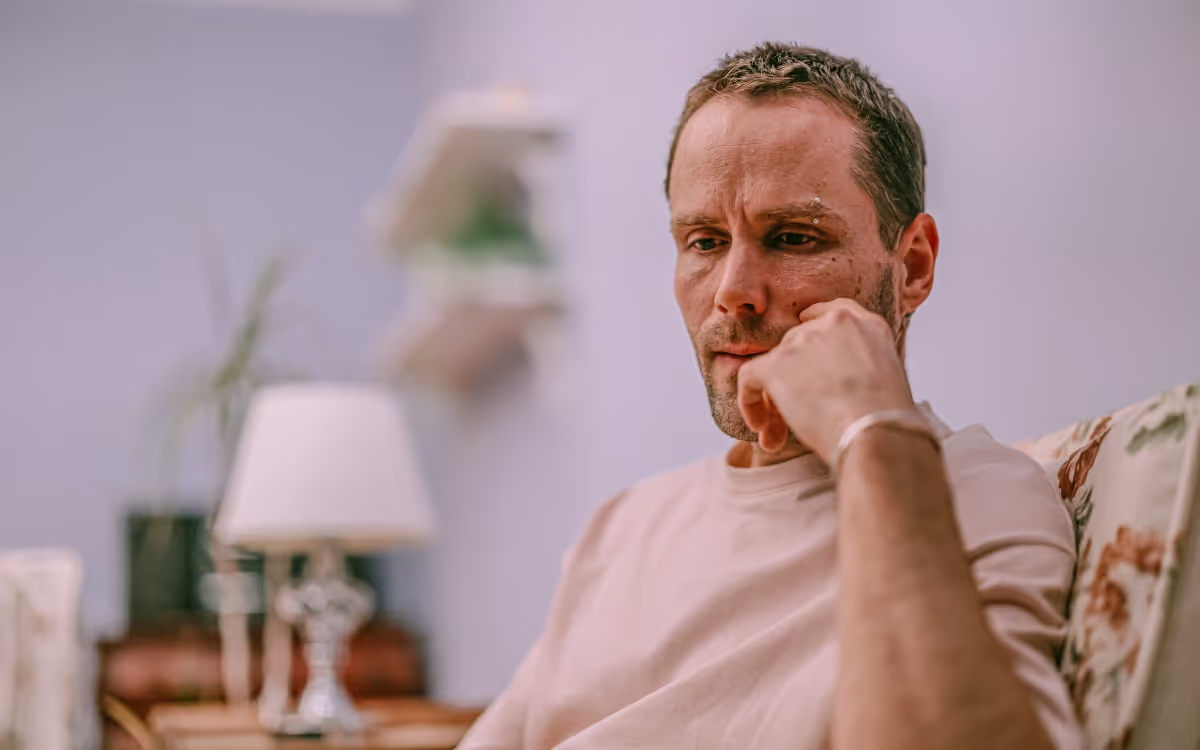
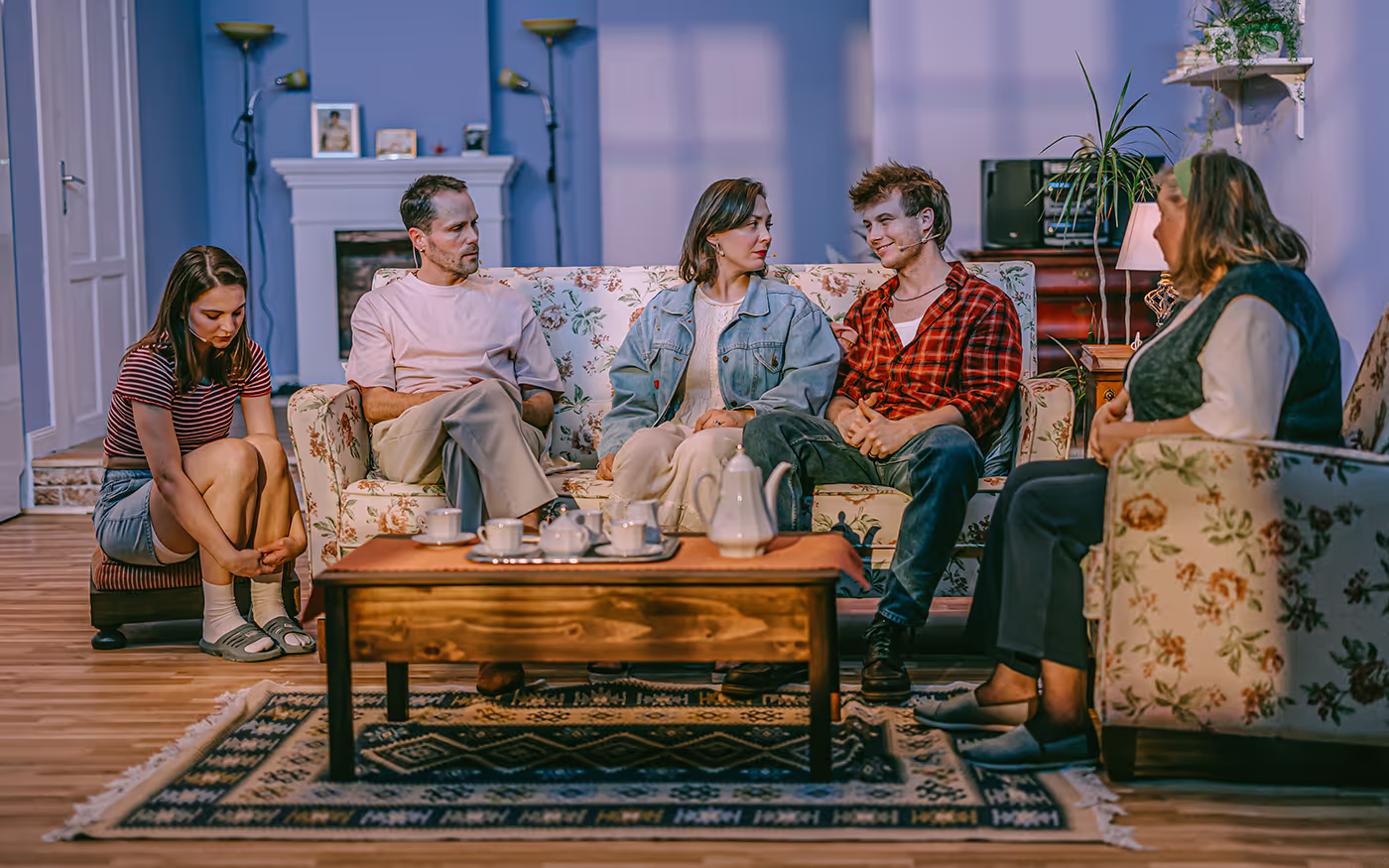
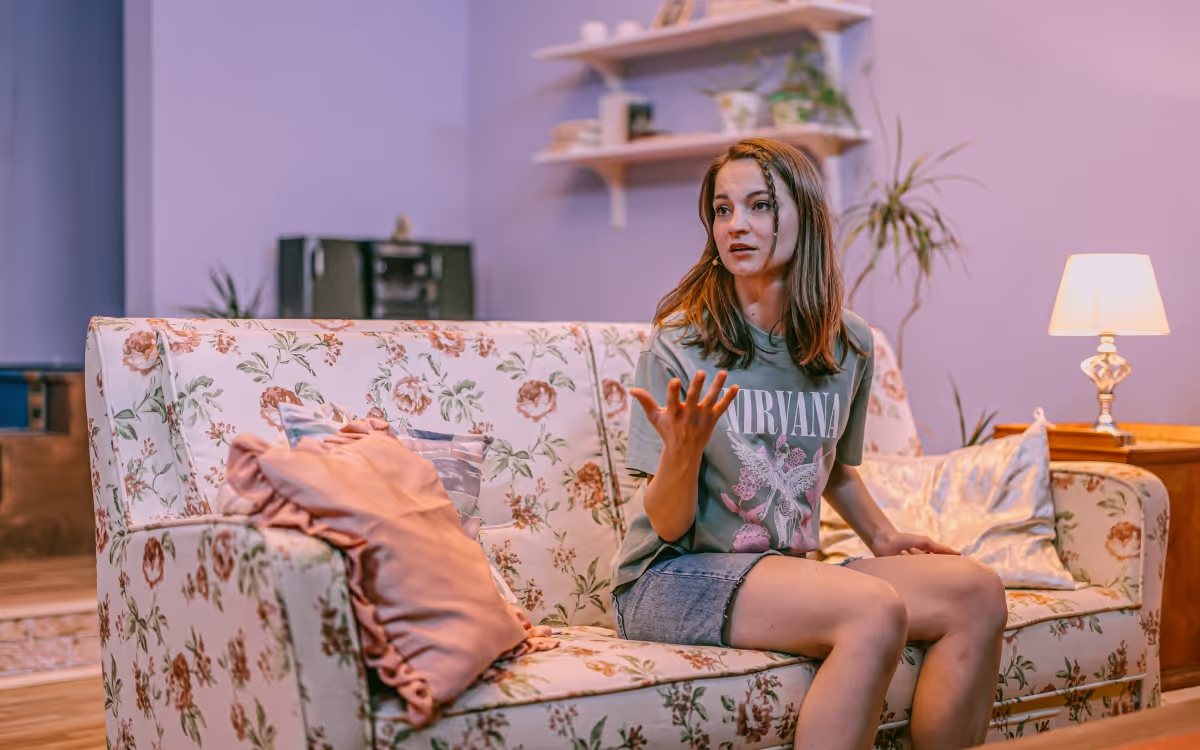

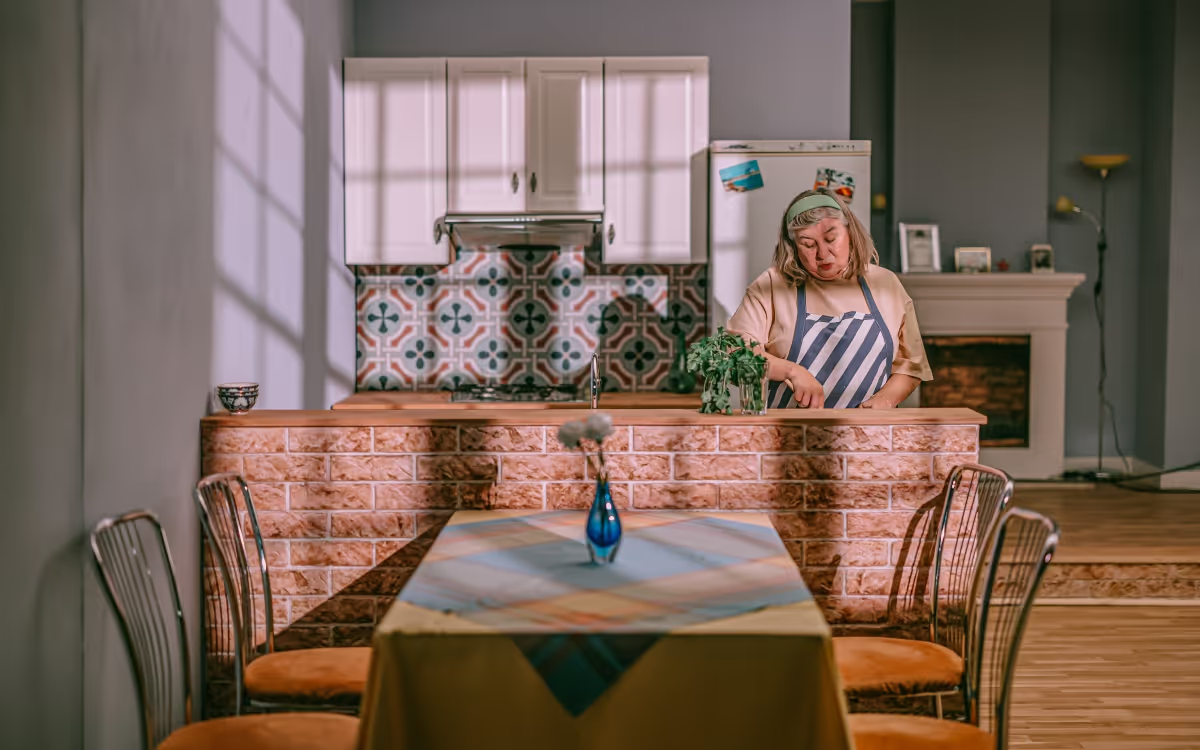


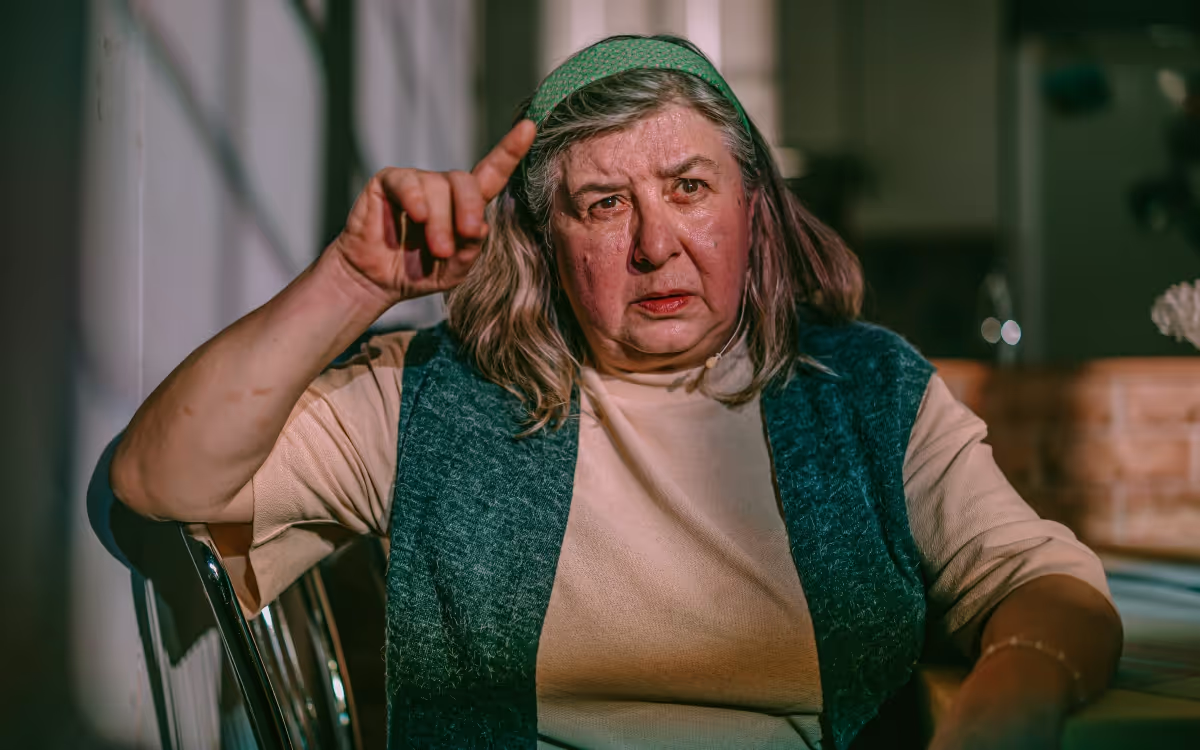



An original, deeply personal confession by Jean-Luc Lagarce. Hypnorealism.
1990s. Louis, a successful, independent, childless man in his thirties, returns from Paris to visit his family in the countryside. His visits home have become increasingly rare, and several years have passed since the last one. Cultural differences divide not only societies, but families as well. He arrives intending to share a heavy and deeply personal secret with his loved ones.
Waiting for him are his mother—living in memories of the past and of her deceased husband—his younger brother, who stayed behind to care for her, the brother’s wife, and his youngest sister, who idolizes Louis as someone living in the big city. Silence. Awkwardness. The effort not to reopen still-living wounds thickens the tension.
Everyone tries to keep their emotions under control, to perform their roles—but who authored them? Is numbing oneself the only way to stay together? Where are the boundaries of selfishness in family relationships, and how important is it to protect our illusions about one another? The demands of career and personal freedom clash with the responsibilities of caring for loved ones. It feels as if it’s impossible to succeed at anything. A pervasive sense of guilt seeps through the entire house.
Who shapes whom in this family, and who owes what to whom? How often should one come home? What is “home,” really?
A production on the border between reality and model. Theatre and video game. A family simulator.
In this play by the most widely performed contemporary French playwright, an autobiographical motif resonates—the complicated relationship between an urban, liberal intellectual and his family living in the countryside. The longing for intimacy, set against themes of returning home, leaving loved ones, shifting identity, class, and values, forms a significant thread in French literature. We encounter it in authors such as Didier Eribon, Annie Ernaux, Michel Houellebecq, and Édouard Louis—who even chose his pseudonym after the protagonist of It’s Only the End of the World.
The clash of values between city and countryside—fueling today’s cultural conflicts—as well as the experience of the increasingly collapsing model of the traditional family, we see as a prologue to our Season 49: End of Illusions.
Louis
Suzanne
Antoine
Catherine
Mother
Further in the production
Ema Červenakova (guest)
Katerina Kumhalova
Tereza Svandova
Authors' Collective
Author
Author
Jean-Luc Lagarce
Adaptation
Directed by
Ivan Buraj
Dramaturgy
Milo Juráni
Scene
Debora Štysová
Costumes
Scenography
Music
Lighting design
Sound Design
Matúš Kobolka
Choreography
Movement cooperation
Translation
Kateřina Neveau
Dramaturgical collaboration: Anna Prstková
Costume collaboration: Sofia Plaskonisová
strobe
In contrast to other performances, only one place for people in wheelchairs can be offered at Only the End of the World. Please note that due to the scenographic design of the production, visibility from this location is limited.
If you are in a wheelchair, please inform our cashier when purchasing a ticket and arrive at the theatre no later than 20 minutes before the start of the performance. Information about your visit will help us to provide assistance from ushers or technicians for your maximum convenience.